

Hotels Hotel Overviews
The Prince
Hakone Lake Ashinoko
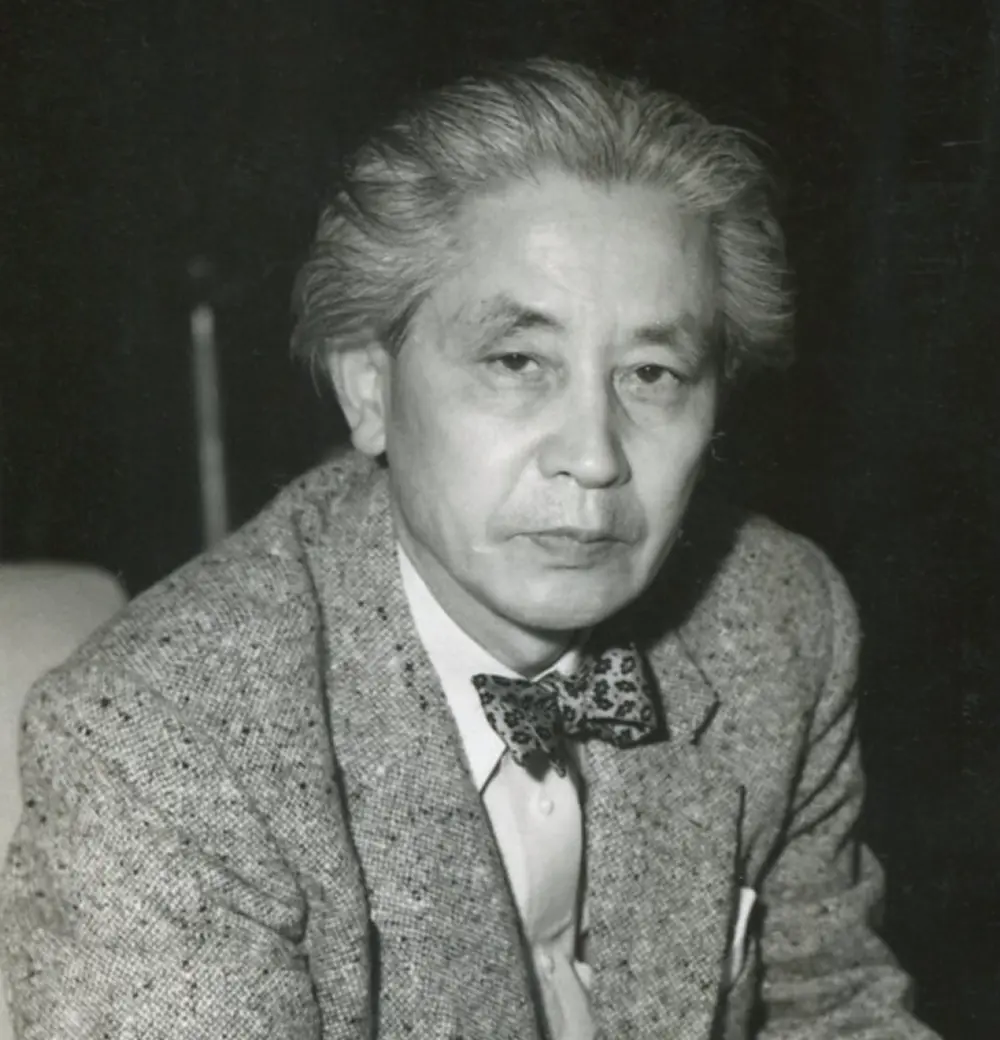
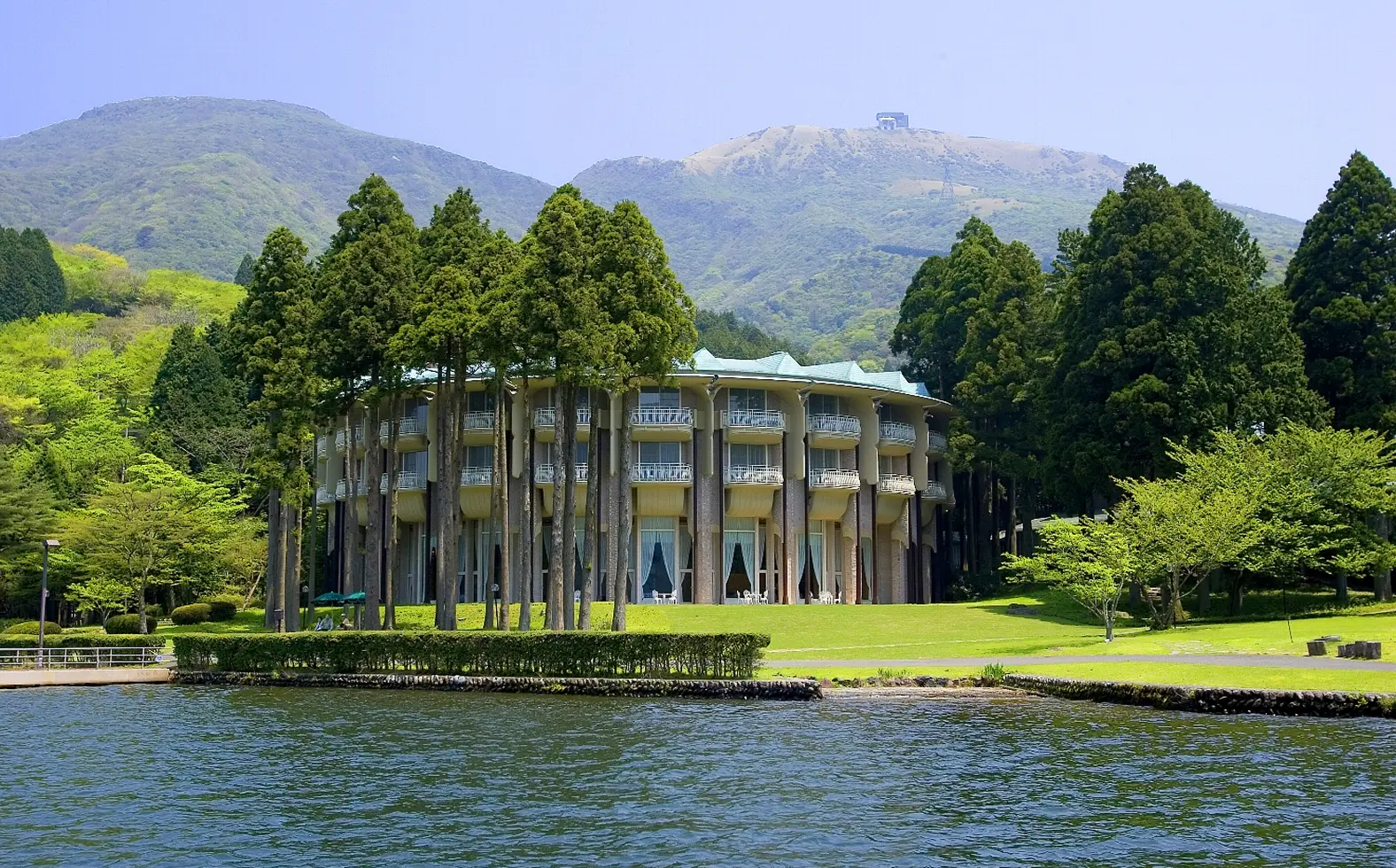
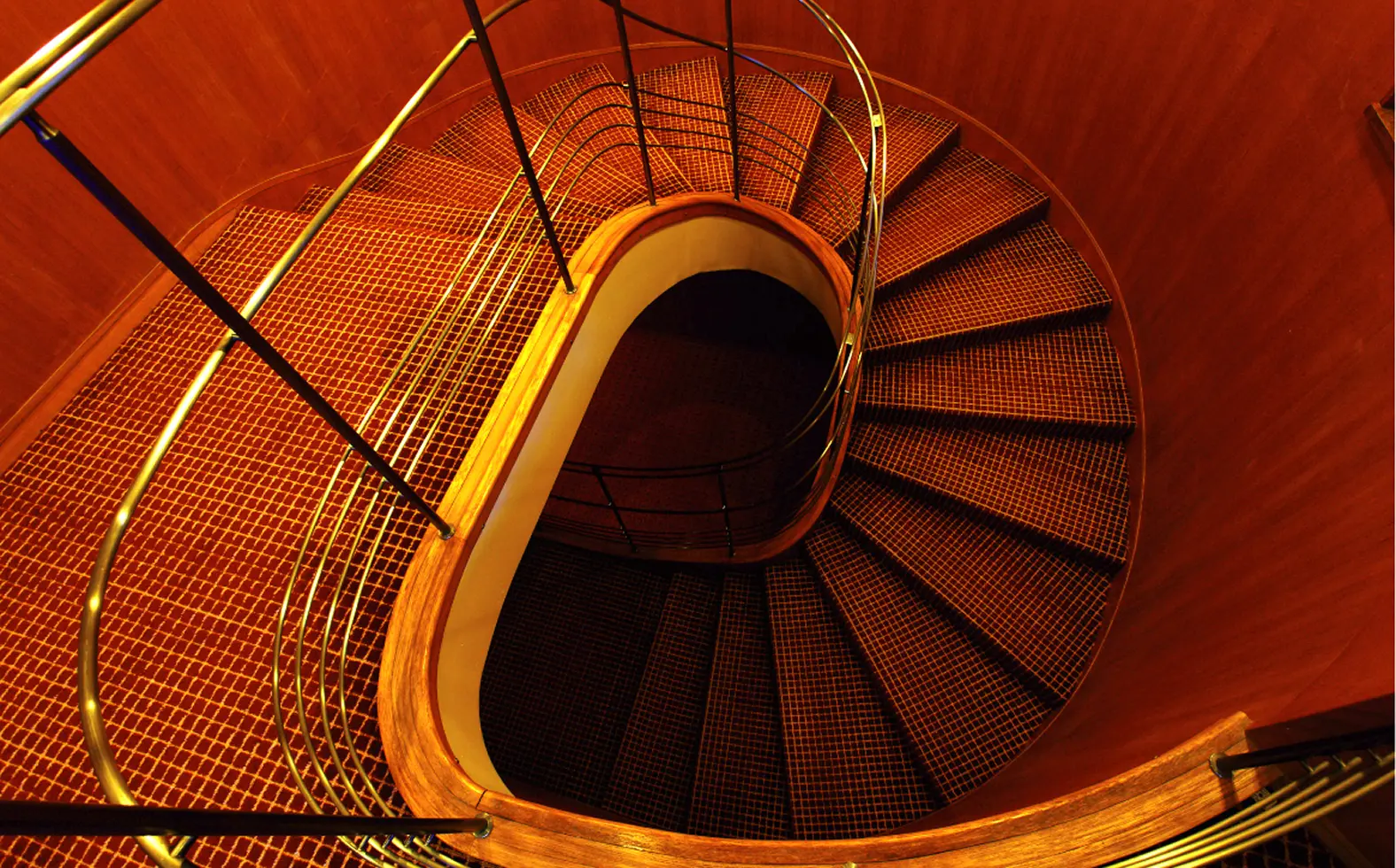
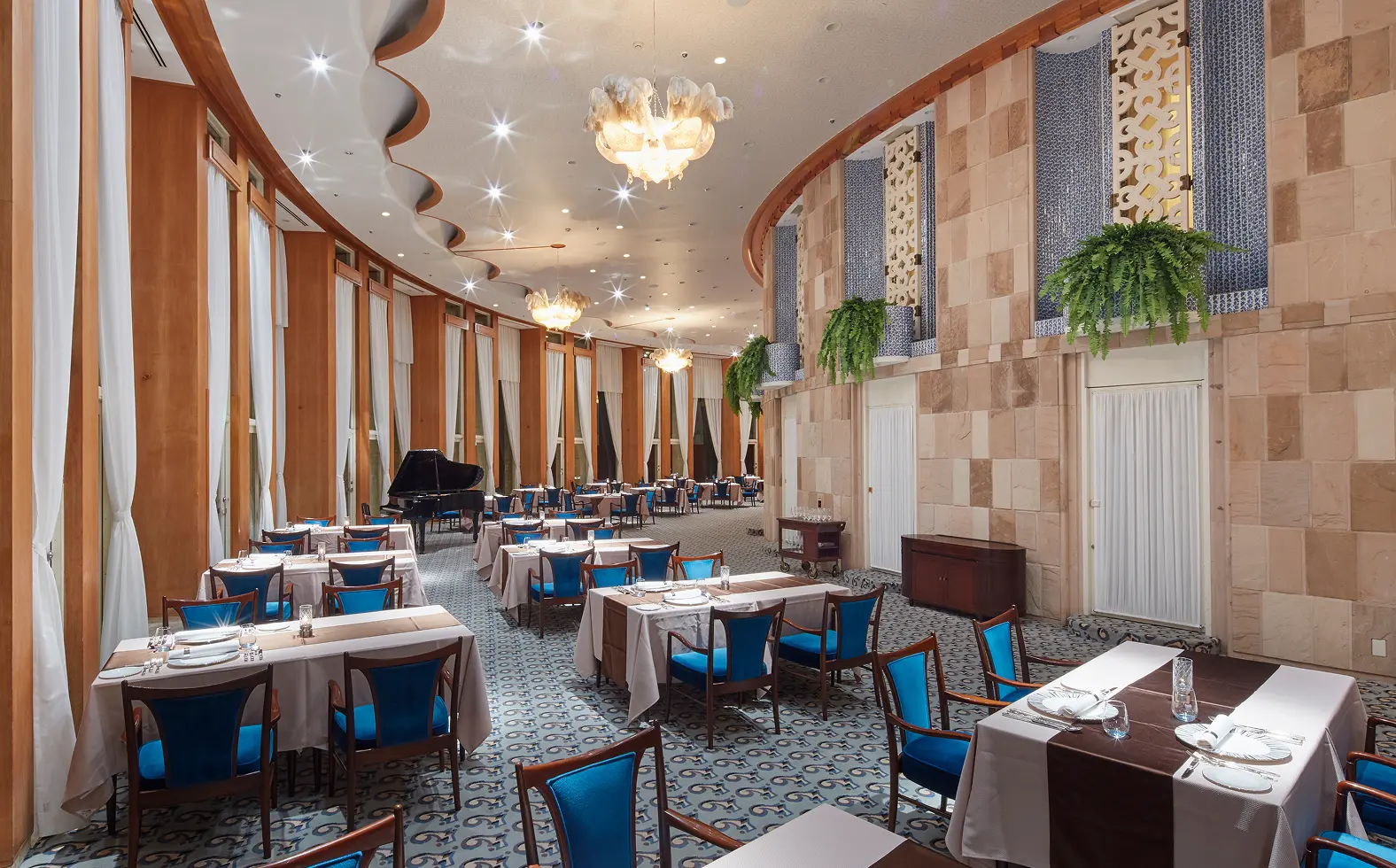
Located on the shores of Lake Ashinoko with views of Mount Fuji in Fuji-Hakone-Izu National Park, The Prince Hakone Lake Ashinoko blends seamlessly into the natural beauty of Hakone. As you take in the slow unfolding of the seasons in Hakone, the glimmering waters of Lake Ashi, the rustling wind, the lapping waves, and the birdsong all come together to soothe the spirit. Above all else, Togo Murano was committed to achieving perfect harmony with nature. In line with his belief that not a single tree or stone should be altered without good reason, the hotel was designed and built without cutting down any of the trees that grow densely on the land. The hotel’s exterior appears to be an extension of the trees lining the lakeside, while exquisite decorations line the beautiful interior. Together, they showcase Togo Murano’s meticulous attention to every spatial detail.
Sanyo-so Izu
Nagaoka Onsen
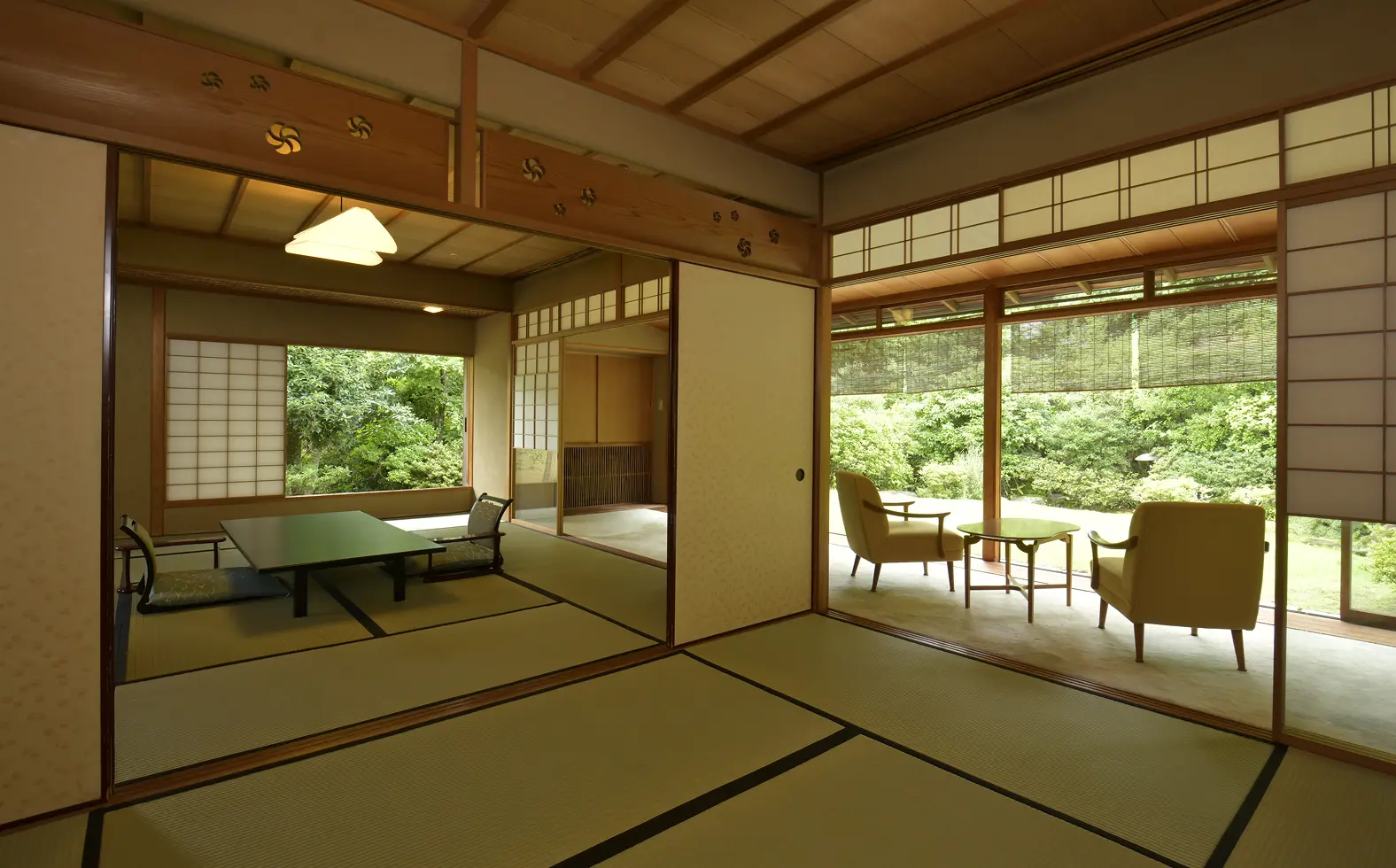
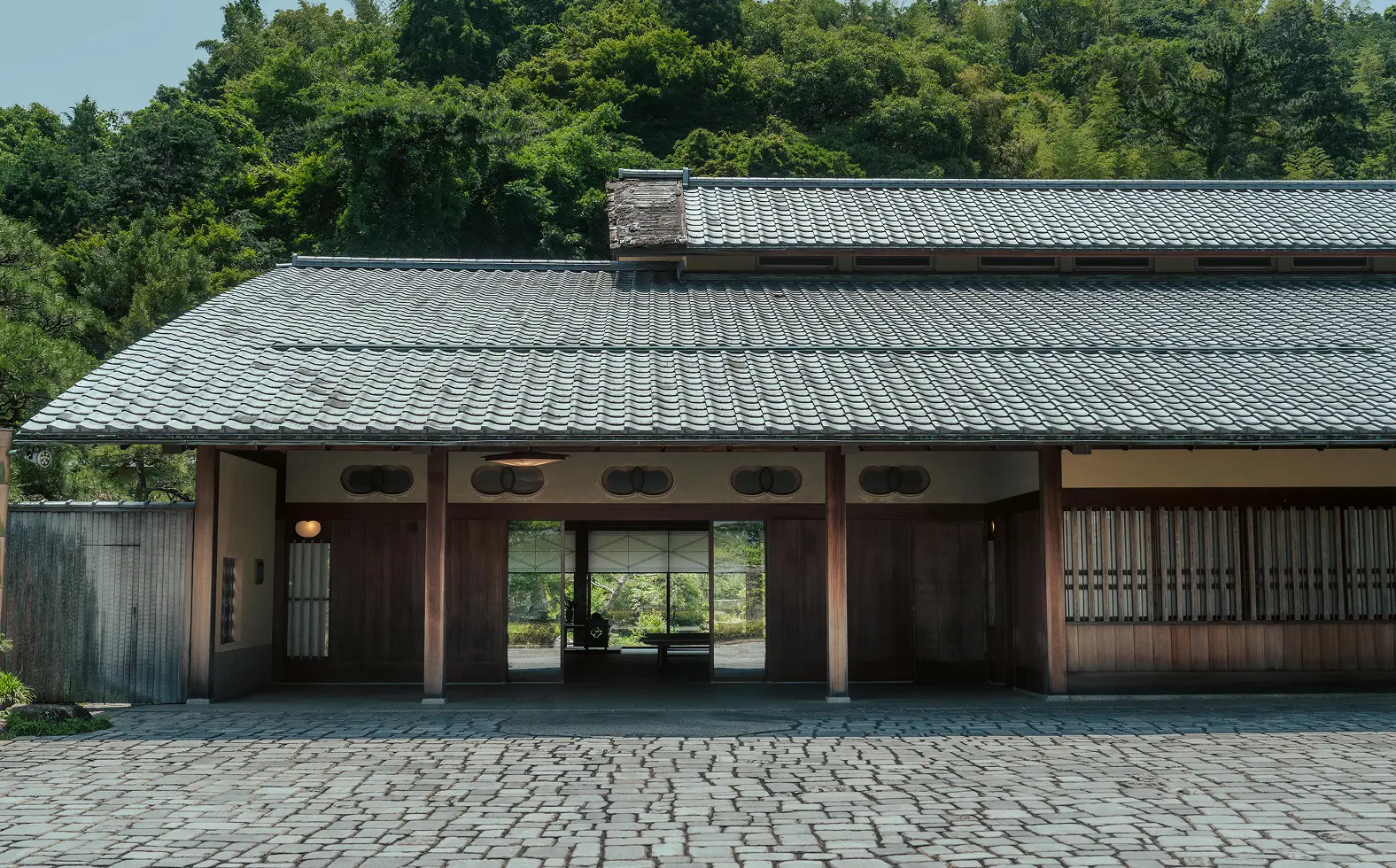
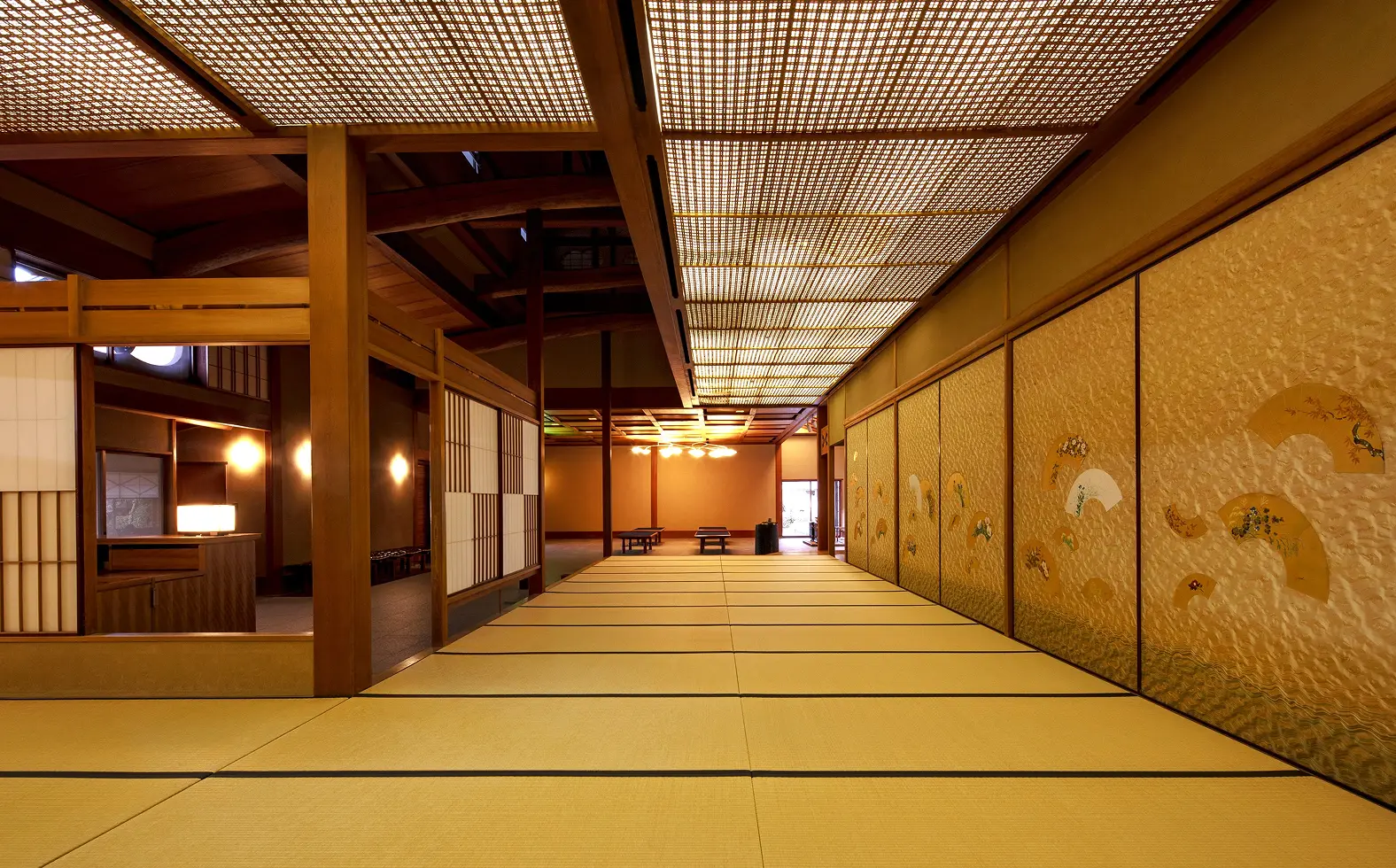
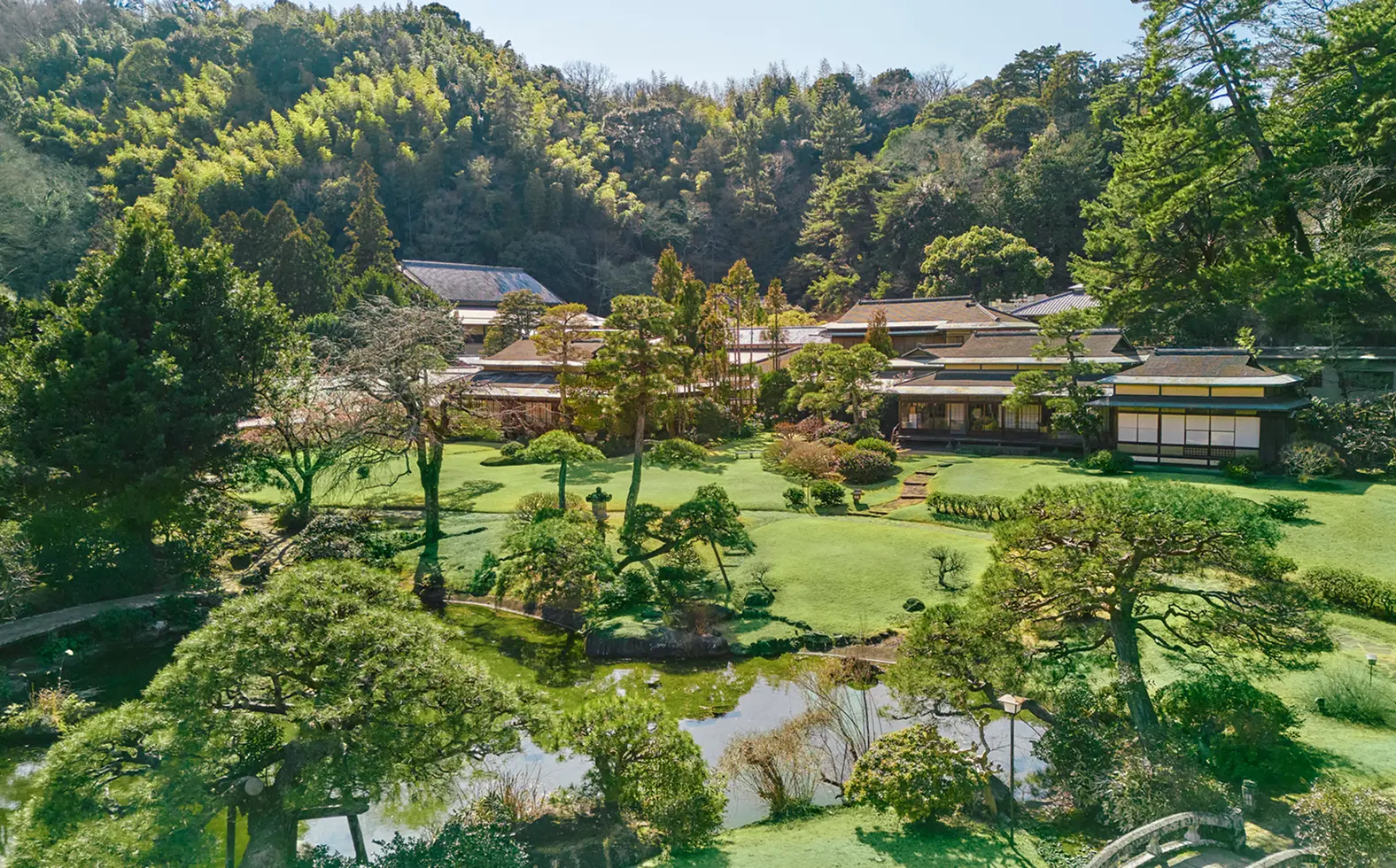
Sanyo-so Izu Nagaoka Onsen is a hot spring ryokan consisting of a main building built in 1929 as a villa for Hisaya, the eldest son of Mitsubishi Zaibatsu founder Yataro Iwasaki, and a modern Sukiya-style annex designed by Togo Murano and built in 1988. Likened to branches spreading outward with flowers coming into bloom, Murano’s annex design features multiple standalone guest rooms, each with its own private garden, linked by covered corridors across the vast grounds. While the entrance pavilion features the simple yet powerful form of a Japanese-style private residence, the 129-tatami-mat hall, Yuho, is distinguished by exquisite decorative accents that form an interior unlike any other, including a finely latticed coffered ceiling, a sophisticated ceiling design traditionally found in highly formal spaces.
The Prince
Kyoto Takaragaike
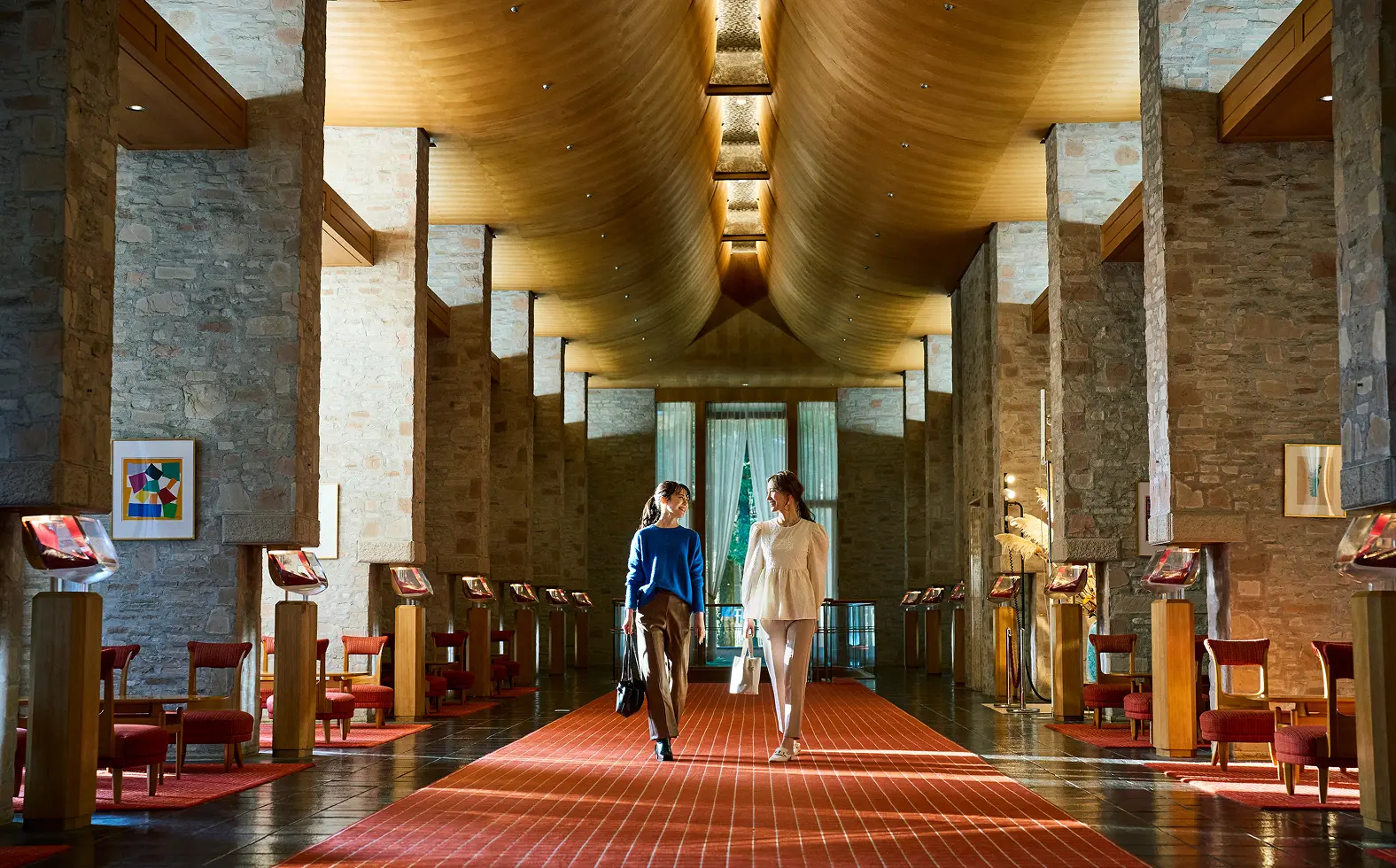
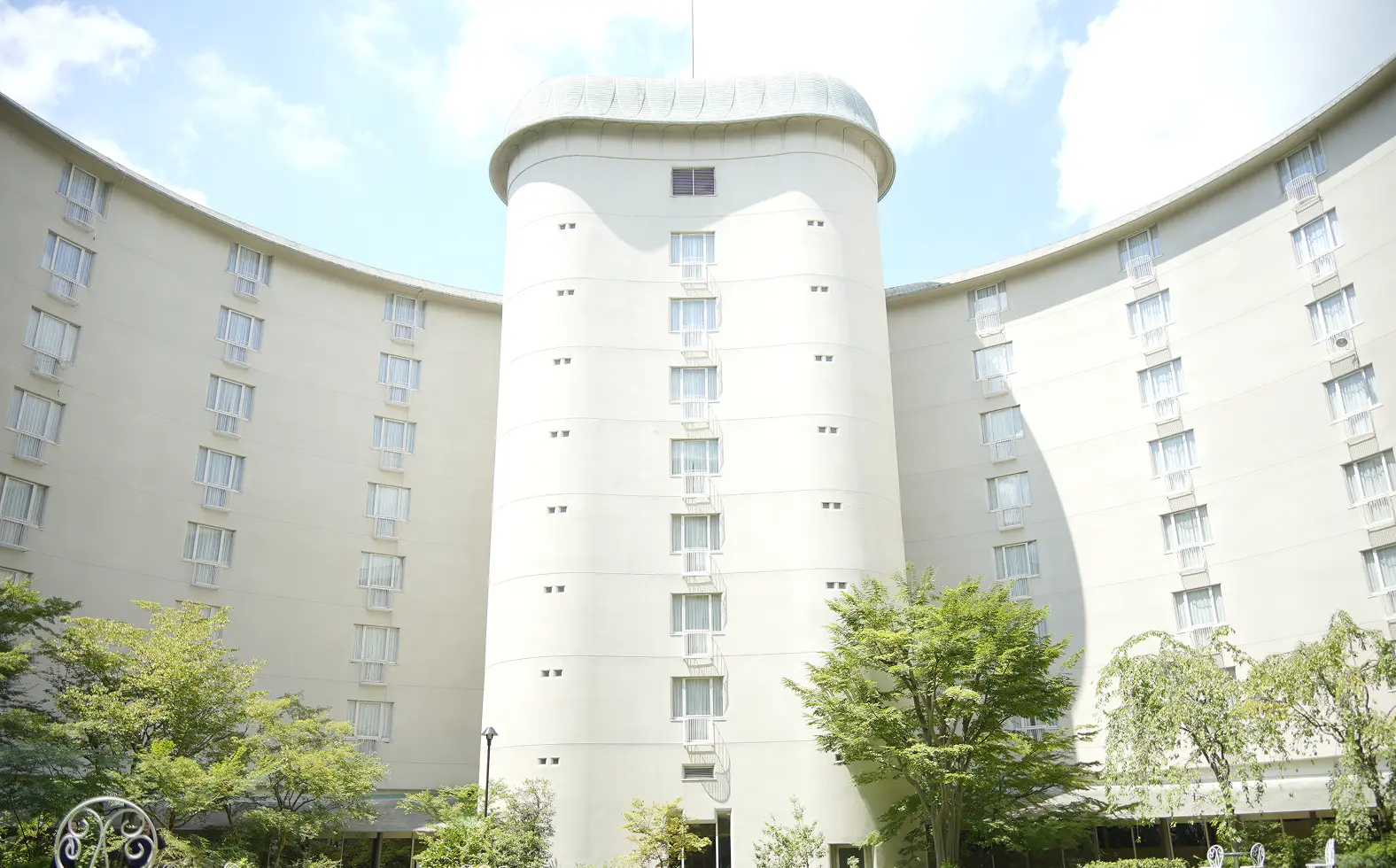
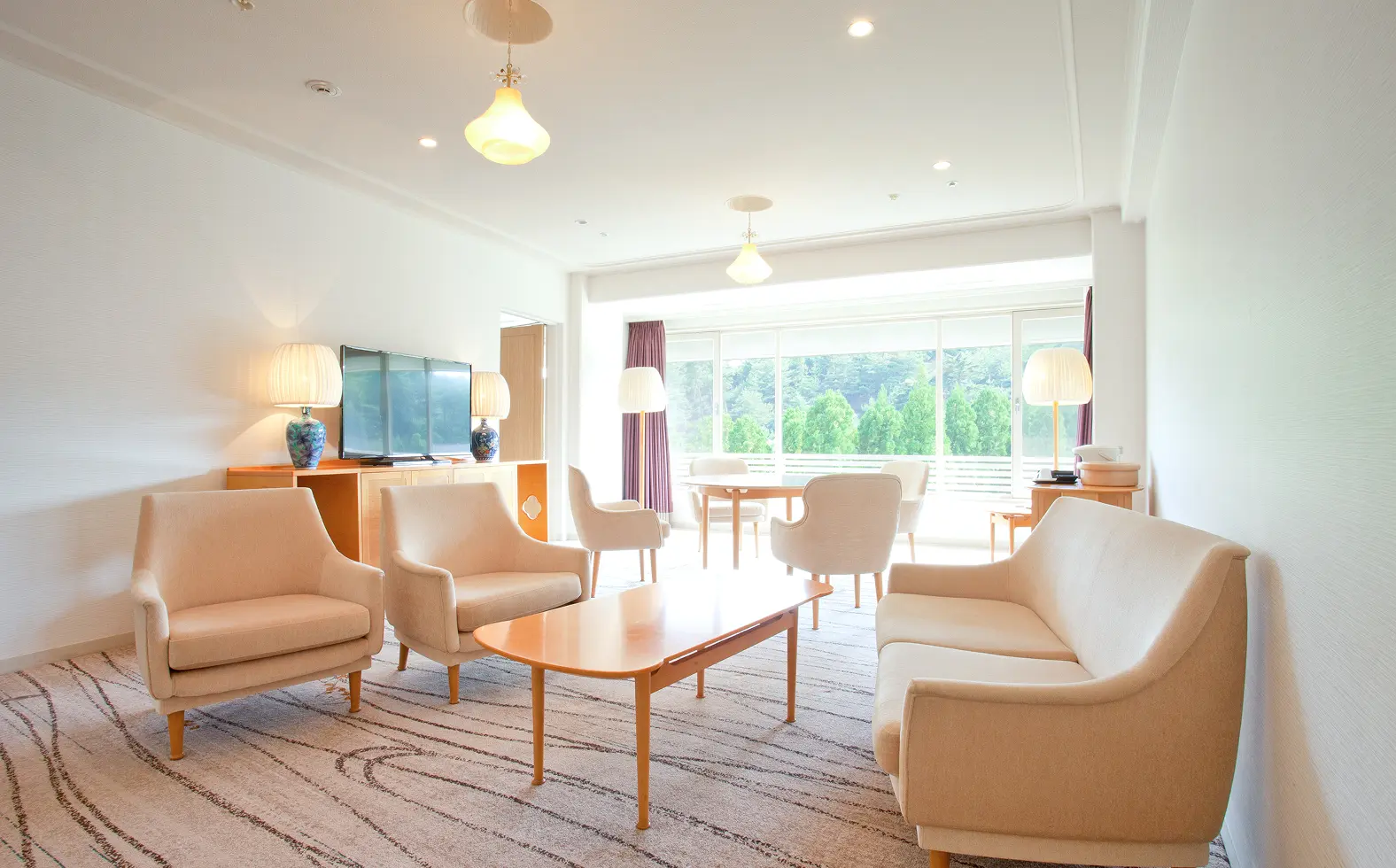
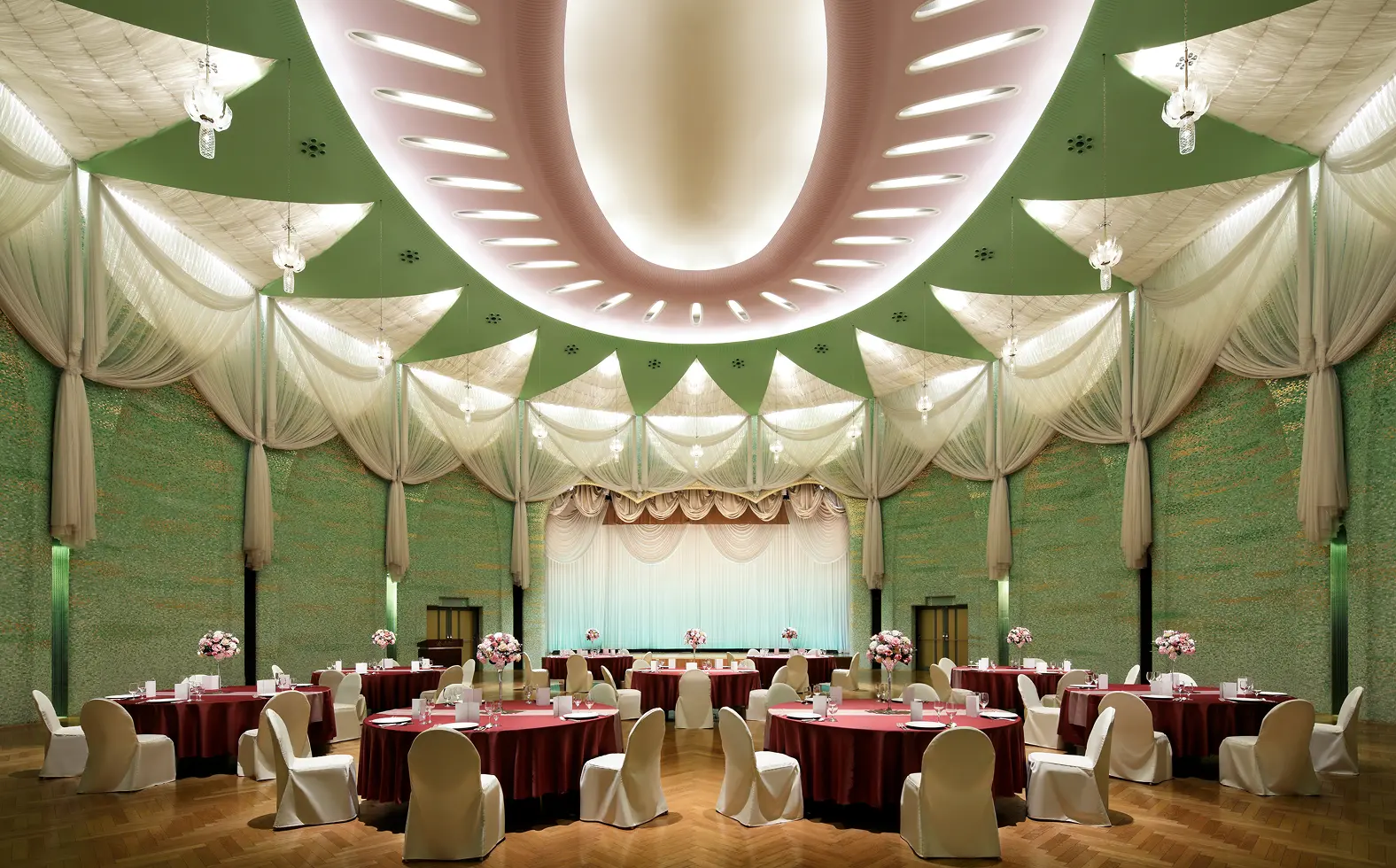
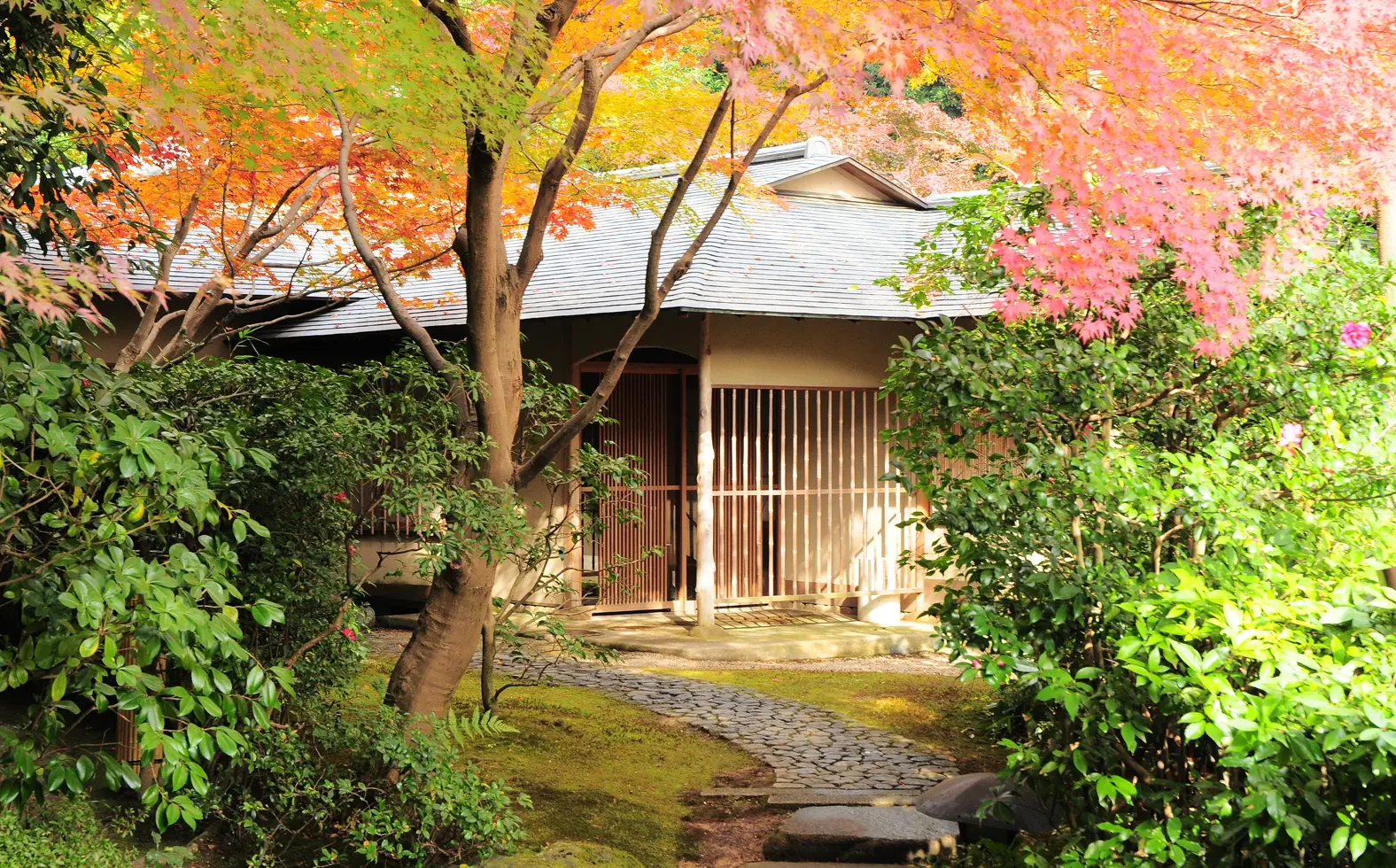
Situated in the serene Rakuhoku area, regarded as an oasis within Kyoto, The Prince Kyoto Takaragaike was one of Togo Murano’s final architectural works. The rich, inventive techniques Murano cultivated over the course of his career can be seen throughout the building. Beyond the breathtaking architectural beauty of the exterior, graceful curves can be found everywhere, down to the finest interior details of the lobby and guest rooms. In the Sukiya-style tea pavilion nestled in a Japanese garden, guests can listen closely to the sounds of a waterfall and insects. In the one-of-a-kind oval banquet hall, the grandeur of the 9-meter-high ceiling and mosaic-tiled walls inspired by a forest will take your breath away. The hotel offers a luxurious stay immersed in a tranquil space nestled in the nature of Rakuhoku.
Special Offer for the 40th Anniversary
Exclusive Package for Guests Staying
on Sunday, September 20, 2026
A Journey to Discover Showa-Era Modernist Architecture
and Its Legacy in Kyoto
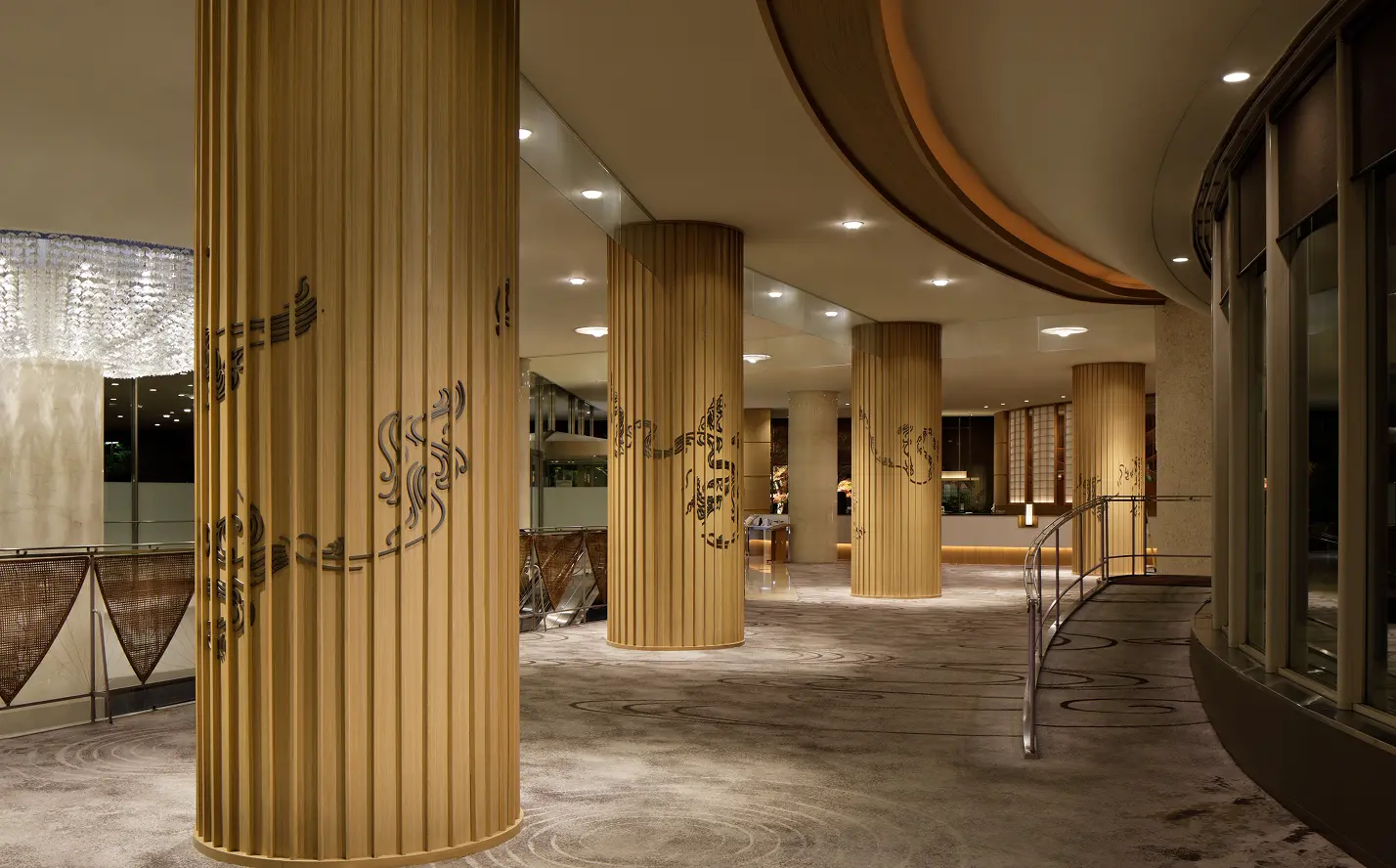
At the Prince Kyoto Takaragaike, which celebrates its 40th anniversary this year, we are offering a special accommodation package where guests can discover the architectural philosophy and aesthetic vision of Togo Murano, one of the masters of modern Japanese architecture.Spend two extraordinary days exploring the appeal and legacy of Showa-Era modernist architecture through a lecture by Junichiro Ishida, a Professor in the Department of Architecture at Mukogawa Women’s University and Professor Emeritus at Kyoto Institute of Technology, as well as an architectural tour of the hotel led by the concierge, and a guided excursion to the adjacent Kyoto International Conference Center (ICCK).
The lecture, architectural tour, and guided excursion are conducted only in Japanese.
About the Special Package
Applications for this special package have closed.
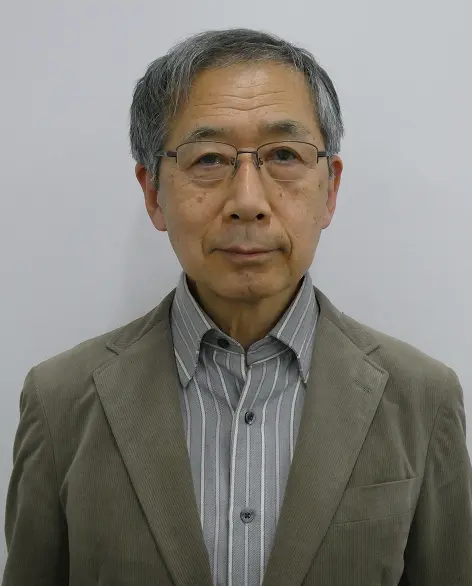
Project Advisor & Video Commentary
Jun'ichiro ISHIDA
The purpose of this project is to provide guests with a deeper appreciation of the architectural history and charm of the Prince Hakone Lake Ashinoko, Sanyo-so Izu Nagaoka Onsen, and the Prince Kyoto Takaragaike, which feature historic Seibu Prince Hotels & Resorts buildings dating back to the Showa Era and designed by Togo Murano, one of the leading architects of the period. We invite you to explore the rich diversity of Togo Murano's design techniques and the history of the hotels that have carried on his architectural legacy.
Profile Ishida holds a doctorate in engineering and serves as a Professor in the Department of Architecture at Mukogawa Women's University and Professor Emeritus at Kyoto Institute of Technology. He completed his doctoral studies at Kyoto University’s Graduate School and specializes in architectural and urban history.